DHH Explainers

Understanding Veneering Methods

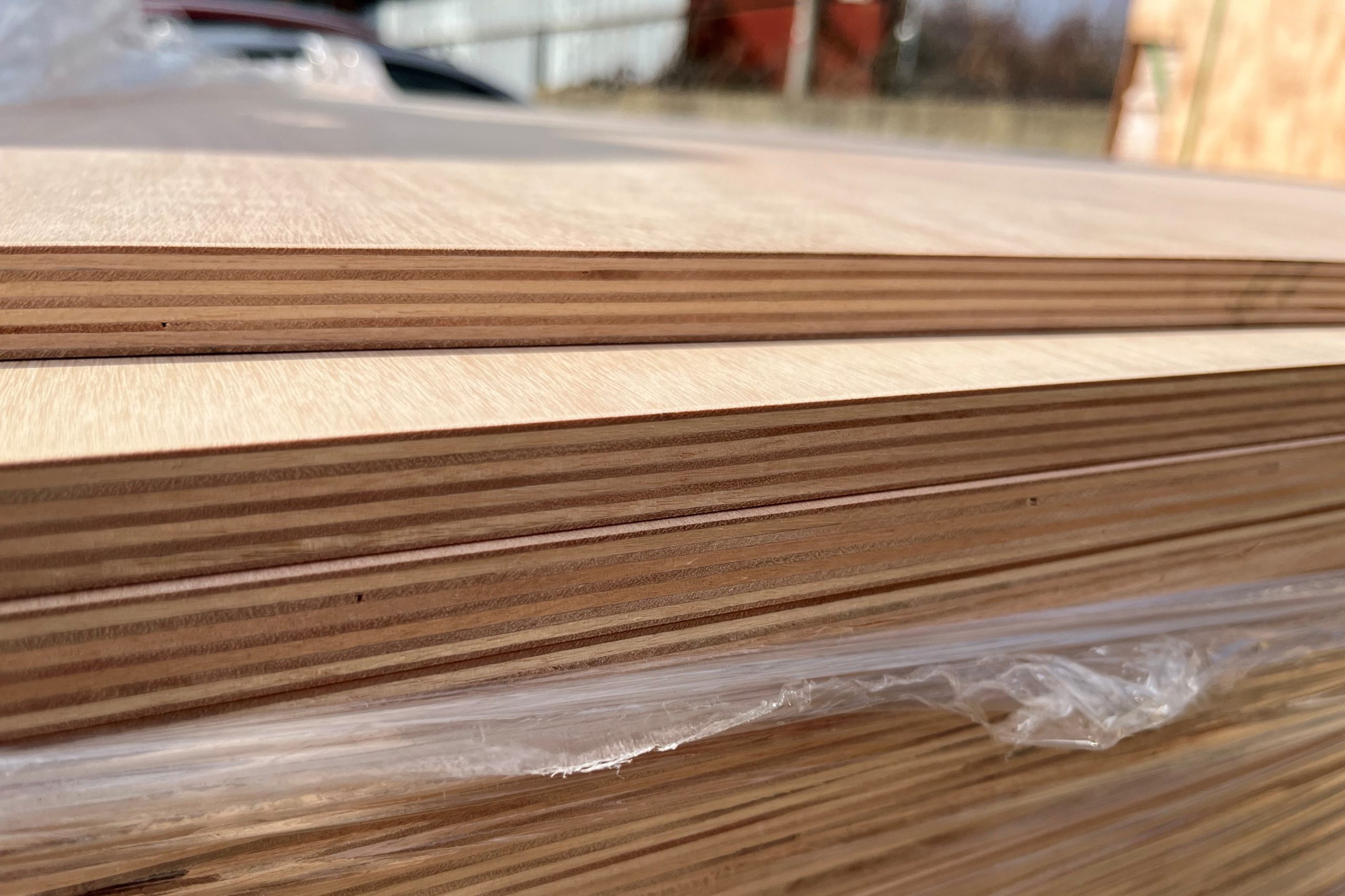
At DHH Panel Products, we offer a wide range of real-wood veneered panels. This includes panels from stock, as well as bespoke options from our suppliers. Did you know that the appearance of a veneer is determined by how the logs are sliced, cut and…
Understanding BS1088 & Lloyd’s

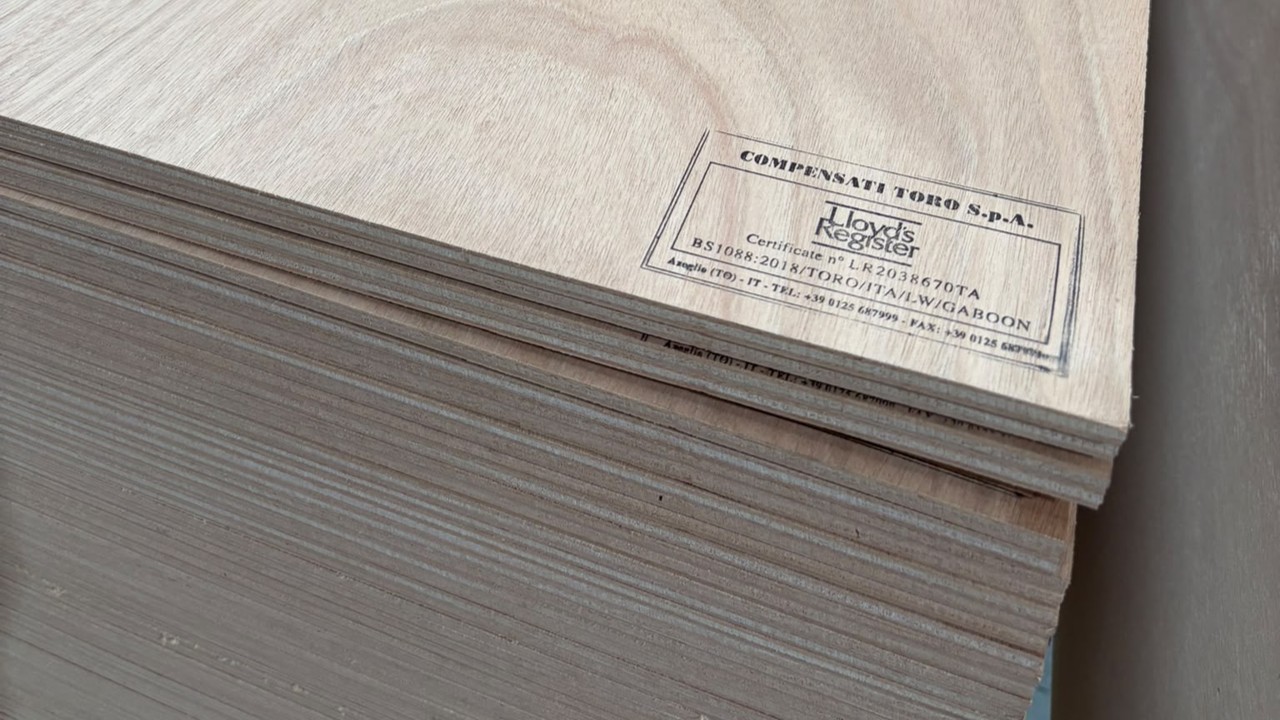
When buying marine plywood, you will see some products described as BS1088 Marine Plywood, while others are sold as Lloyd’s Register certified BS1088 Marine plywood. So what’s the difference?   — >> What is BS1088? BS1088 is the British standard covering marine plywood. It sets the minimum…

Handling & Processing FR Plywood

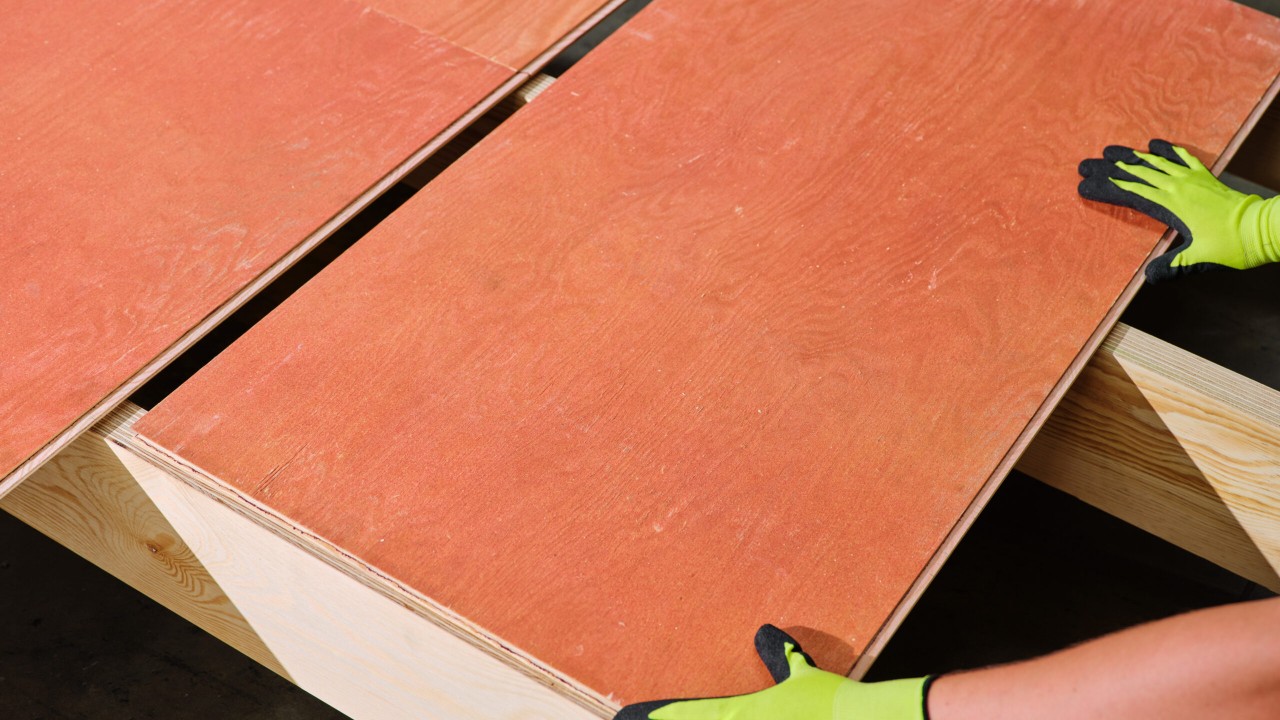
Fire Retardant (FR) plywoods are panels that have been treated to improve how they perform in a fire. Due to the fire-retardant impregnation process, FR plywood behaves differently to standard untreated plywood. It should therefore be handled, conditioned, processed and finished accordingly.  Most FR Plywoods…

Understanding Euroclass Fire Ratings

When working with wood-based panels, you sometimes have to ensure that you use panels that are ‘fire treated’ or ‘fire-retardant’. Sometimes, it’s also a legal requirement. To help you understand the Euroclass system better, we’ve created this brief explainer. Fire Retardant (FR) wood panel products…

Understanding EN 636 & EN 314

There are two basic plywood standards that are of most relevance; one specifically for wood species durability (EN 636), and another for the glue line (EN 314). These two standards should be considered together when selecting the most appropriate product. This DHH Explainer will help…